
Shrimata: The Island Kingdoms of Rice and Ashes


"The seed does not care who planted it. It cares whether the soil was prepared."
– A Cultivator at the Shrimatan Planting Festival
[IN-WORLD LORE]

The Archipelago Where Rice Is Religion
Shrimata is not a single kingdom. It is a volatile, volcanic archipelago where civilization clings to the slopes of mountains that periodically try to kill it, and the one thing that holds everything together is rice. The economy, the religion, the calendar, the politics: all of it comes back to rice.
The Shrimatan people's entire culture revolves around their staple grain. Their goddess is the Rice Goddess. Their clergy are farmer-priests whose authority comes from what they grow, not what they preach. Their most sacred ritual is a harvest accounting ceremony. Their gravest sin is forgetting a famine. And their most feared judgment isn't divine wrath, it's the Store-Keeper telling you there isn't enough grain to last the winter.
The archipelago divides naturally into three regions: Makalaya, the rice heartland of terraced paddies and harvest festivals; Kumandra, the river and fishing villages that feed the coasts; and Daralangan, the mining and metalwork region whose rare deposits attract Zakaidian mercenaries as guards and whose wealth funds the temples that oversee the grain supply.
The Cultivators: Farmer-Priests of Sa̅dhanashri
The spiritual heart of Shrimata is Sa̅dhanashri, the Goddess of Agriculture, Cultivation, Rice, and Wealth, an incarnation of Nailaina̅ worshipped in Shrimata as a deity whose theology is applied agriculture. Sa̅dhanashri teaches that nothing grows without care, and that wealth is food that lasts the winter rather than gold that sits in a vault.
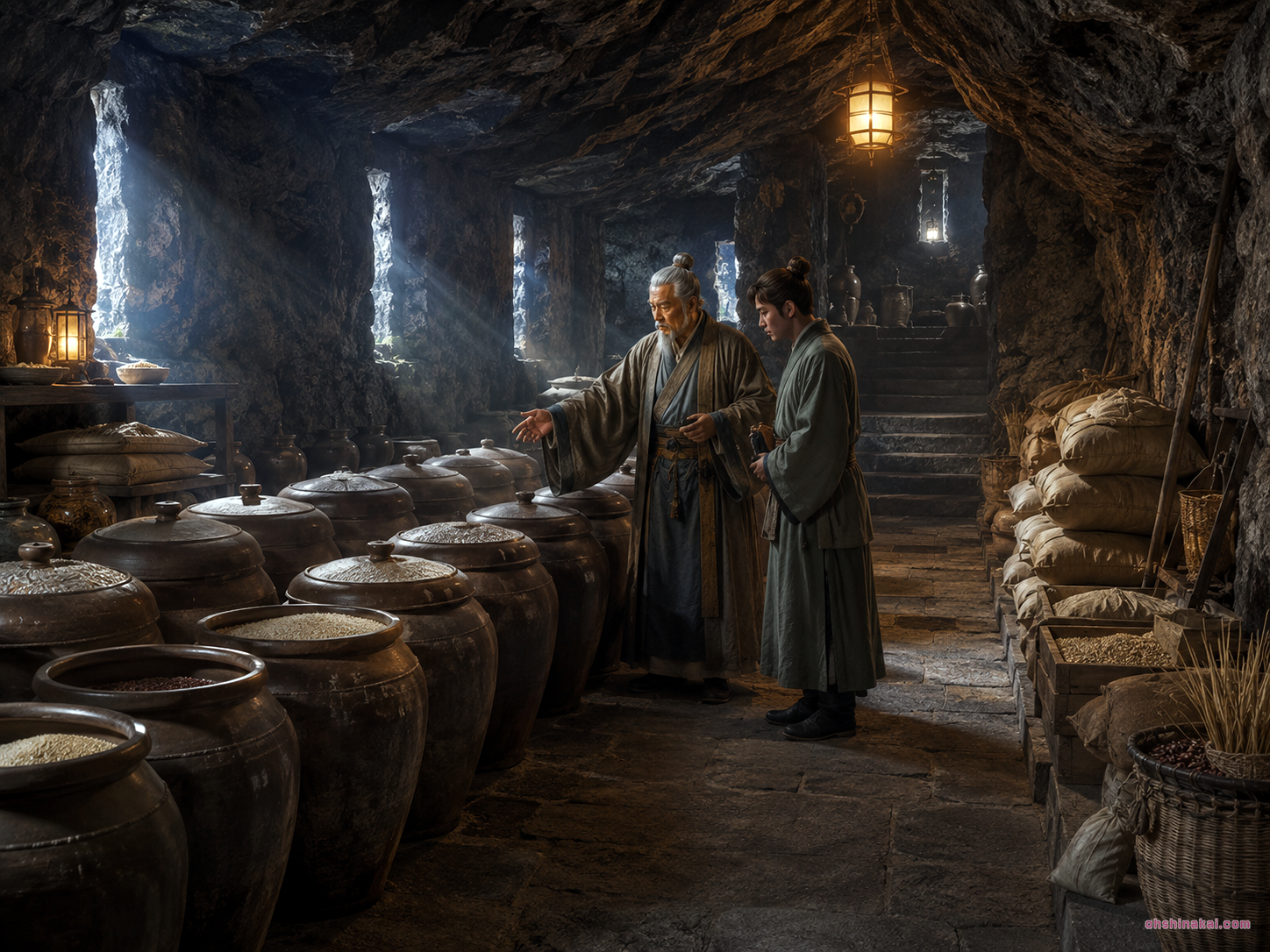
Her clergy, the Cultivators (also called Field-Wardens and Store-Keepers), are farmer-priests whose authority comes from what they grow, store, and distribute. A Cultivator who cannot identify blight by sight, judge soil quality by touch, or estimate a season's yield by walking through a paddy is not a priest, they're someone who talks about farming, which is a different thing. Their hands are in the mud before dawn and in the granary after dark. Their sermons are harvests.
The hierarchy is determined by demonstrated agricultural competence: Seedlings learn the disciplines through entirely hands-on field work with no examinations. Cultivators (Field-Wardens) bless fields at planting, manage irrigation, and oversee the ritual calendar. Store-Keepers manage communal grain reserves and make the hard decisions about rationing. Harvest Elders (the most experienced Cultivators, recognized across regions) are consulted during crises that exceed local capacity: widespread drought, volcanic disruption, pest plagues, or the failure of an entire season's crop.
The First Rice Rite and the Sin of Forgetting
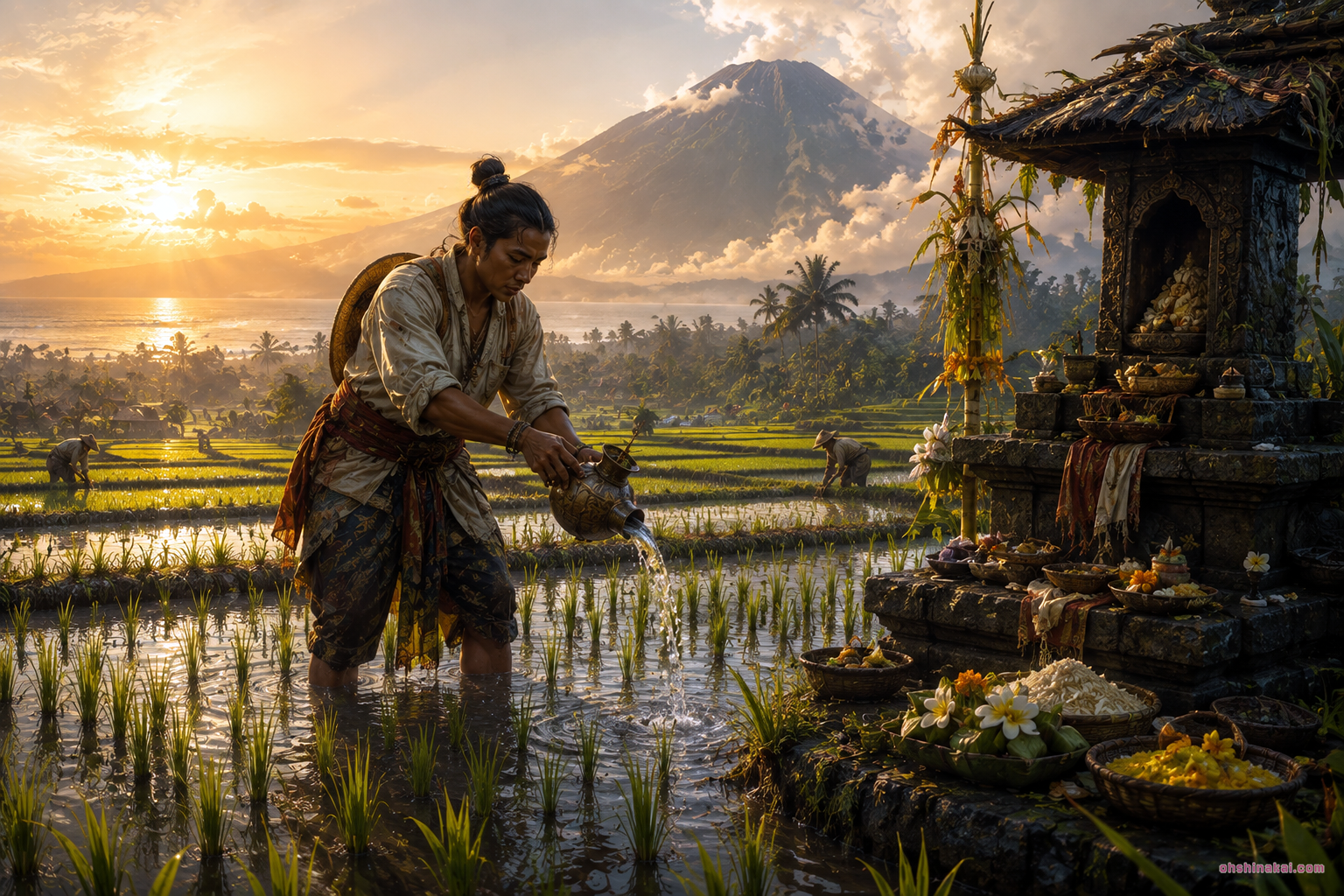
The first rice harvested each season is never eaten immediately. It is stored, offered at Sa̅dhanashri's shrine, and counted. Only once the harvest is measured and secured does celebration begin. Excessive revelry before accounting is considered an invitation for the goddess's withdrawal. This ritual (the First Rice Rite) embodies the Cultivators' philosophy: gratitude is earned through careful stewardship, not assumed through abundance.
Seed preservation is one of the most sacred duties. Cultivators maintain seed banks, selecting the strongest varieties, protecting them from moisture and pests, and ensuring genetic diversity survives across seasons. The loss of a seed stock is treated with the seriousness of a military defeat. In Shrimata's volcanic environment, where an eruption can destroy an entire island's crop in hours, seed banks are the difference between recovery and collapse.
Water dispute mediation is a Cultivator's most politically sensitive function. On a volcanic archipelago where water rights are life-and-death matters, Cultivators arbitrate disputes over irrigation, river diversion, and rainfall catchment. Their rulings are respected because they're grounded in practical hydrology rather than political allegiance.
And the gravest sin in Sa̅dhanashri's faith is forgetting a famine. Cultivators preserve records of past food crises, which communities were hit, how stores were managed, what failed, what was learned. Forgetting those records means repeating those deaths.
The Shrimatan Origin
The Shrimatan creation myth traces the Rice Goddess's arrival to the moment when Tianlunese agricultural knowledge reached the archipelago around 1800 BFE. The exchange transformed everything: Shrimatan civilisation adopted rice cultivation and made it the foundation of their entire society, economy, and spirituality. Sa̅dhanashri is believed to have arisen from the first blessed harvest, not a gift from above but a goddess born from the soil itself, because the soil had finally been prepared well enough to produce something sacred.
[BEHIND THE SCENES]