
The Worlds
Four distinct worlds. Shared threads of myth, power, and consequences. Each is its own universe: fully realised, deeply explored.
Fantastiska
High Fantasy / Fairytale Fantasy Setting
Fantastiska
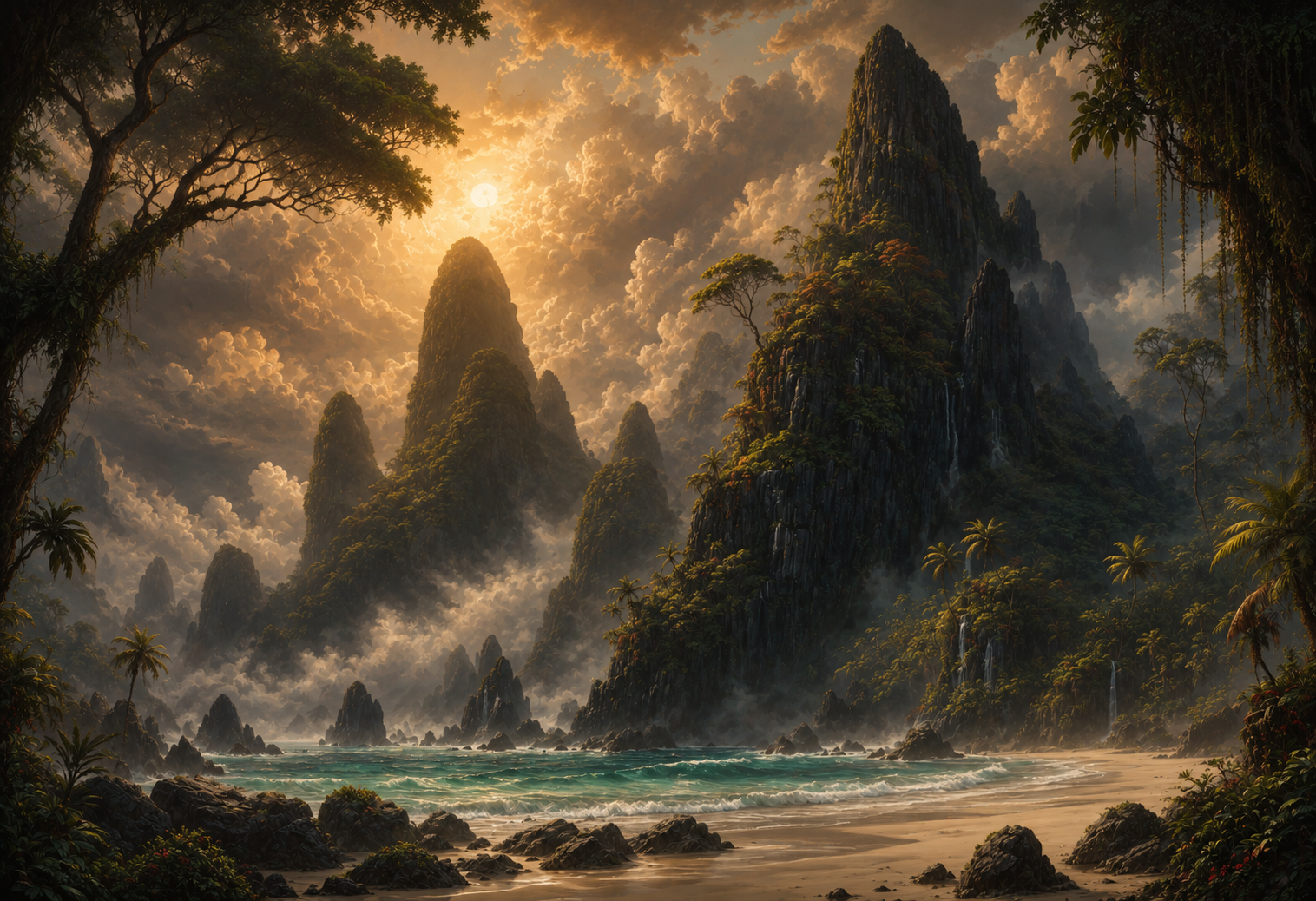
Fantastiska is a high-fantasy world named Mystaria, composed of diverse nations, powerful organizations, and warring factions. The setting is rich with classic fantasy elements, including magickal nations like Verdania, Falentia and the Witching Isles, industrial-militaristic kingdoms Phazani and Lavinia, and various non-human races like cambions, sylvanorans, pixies, goblins, fox spirits, merlings, and trolls. The narrative is driven by the conflicts and alliances between these groups, such as the ideological war between magical Verdania and industrial Phazani, and the clandestine operations of factions like the Benevolent Order of Arcanists, the Sisterhood of the Secret Flame, the knightly Ladies of the Bust, or the criminal Masked Doves.
What Makes Fantastiska Different?
- Conflict of Ideologies: The central conflicts are often driven by opposing philosophies rather than simple good vs. evil. The most prominent example is the clash between Verdania (representing harmony with magic and nature) and Phazani (representing industrial progress and military conquest).
- Detailed Faction-Based Worldbuilding: The world is defined by a wide array of well-developed factions and organizations, each with its own leader, headquarters, goals, and culture (e.g., the zealous Order of the Chalice, the cursed Knights of the Damned, the profit-driven Blackpick Union). This creates a dynamic and complex political landscape.
- Nuanced Portrayal of Races: Traditional fantasy races are given unique cultural depth. Goblins, for instance, are not just monolithic monsters but are divided into distinct factions with different motivations, from profit-driven cartels to necromantic cults and nature-worshipping coalitions.
Aldermark: The Last Elven Empire
Alternate History / Urban Fantasy
Aldermark: The Last Elven Empire
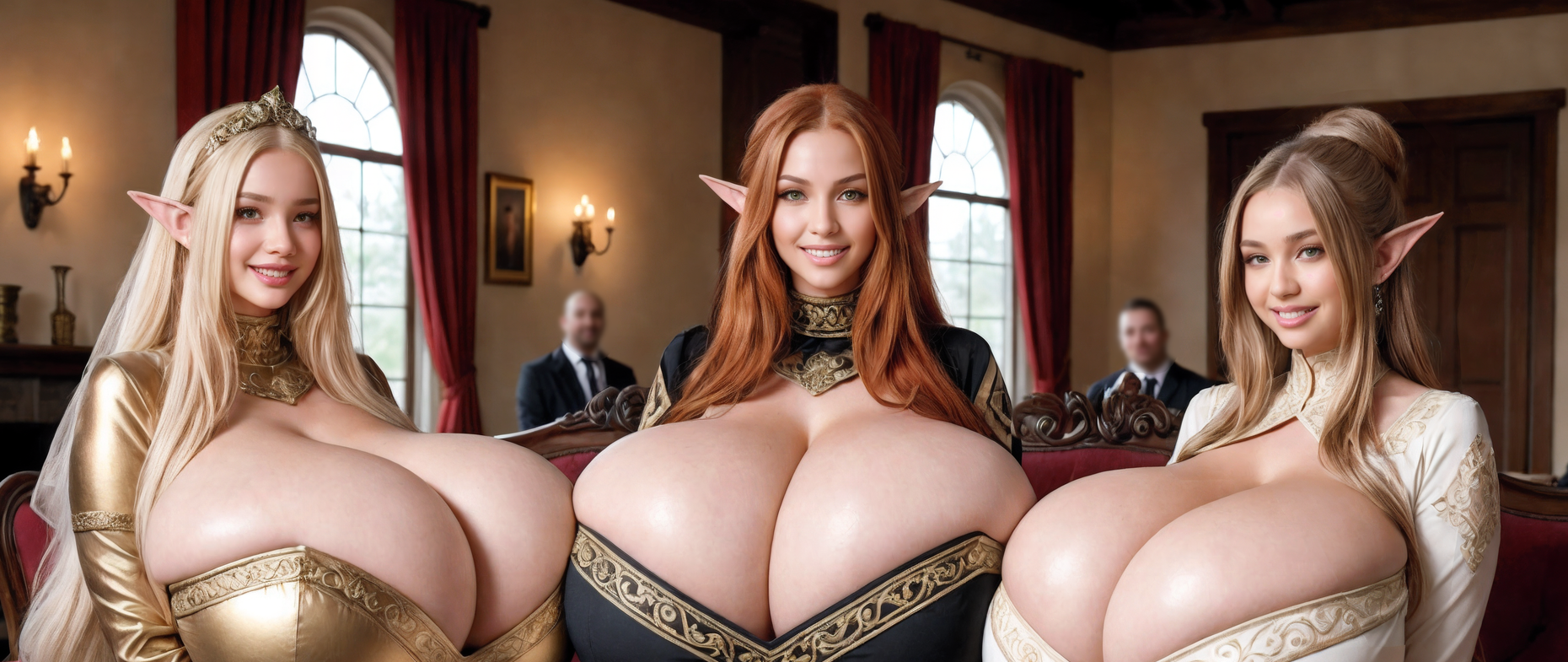
Aldermark is an alternate history world where elves exist as a distinct species that evolved alongside humans. The narrative focuses on the Aldermark Empire, a powerful elven monarchy founded in 1473 in Central Europe that dominated the region for 500 years with superior technology and meritocratic governance. The world explores the complex, often fraught relationship between the long-lived, traditionalist elves and the rapidly industrializing, expansionist human nations, covering historical events from the Middle Ages to the 21st century.
What Makes Aldermark Different?
- Grounded Elven Biology and Society: Elves are not mystical beings but a biological species with unique traits like longevity, distinct reproductive cycles (estrus), and communal child-rearing practices (allonursing). Their culture, including their open sexuality and nonlinear life ambitions, is a direct result of their biology.
- Integration with Real-World History: The elves are not isolated from humanity; they directly participate in and are affected by real historical events like the Austro-Prussian War, World War I, and World War II, creating a detailed and plausible alternate timeline.
- Deep Cultural Divisions: The world features significant cultural and political schisms, not only between humans and elves but also within elven society itself (e.g., the "City Elves" who integrate with humans versus the isolationist "Dark Elves" of Shikarapura).
Blue Revere
Retrofuturistic Science Fiction Setting
Blue Revere
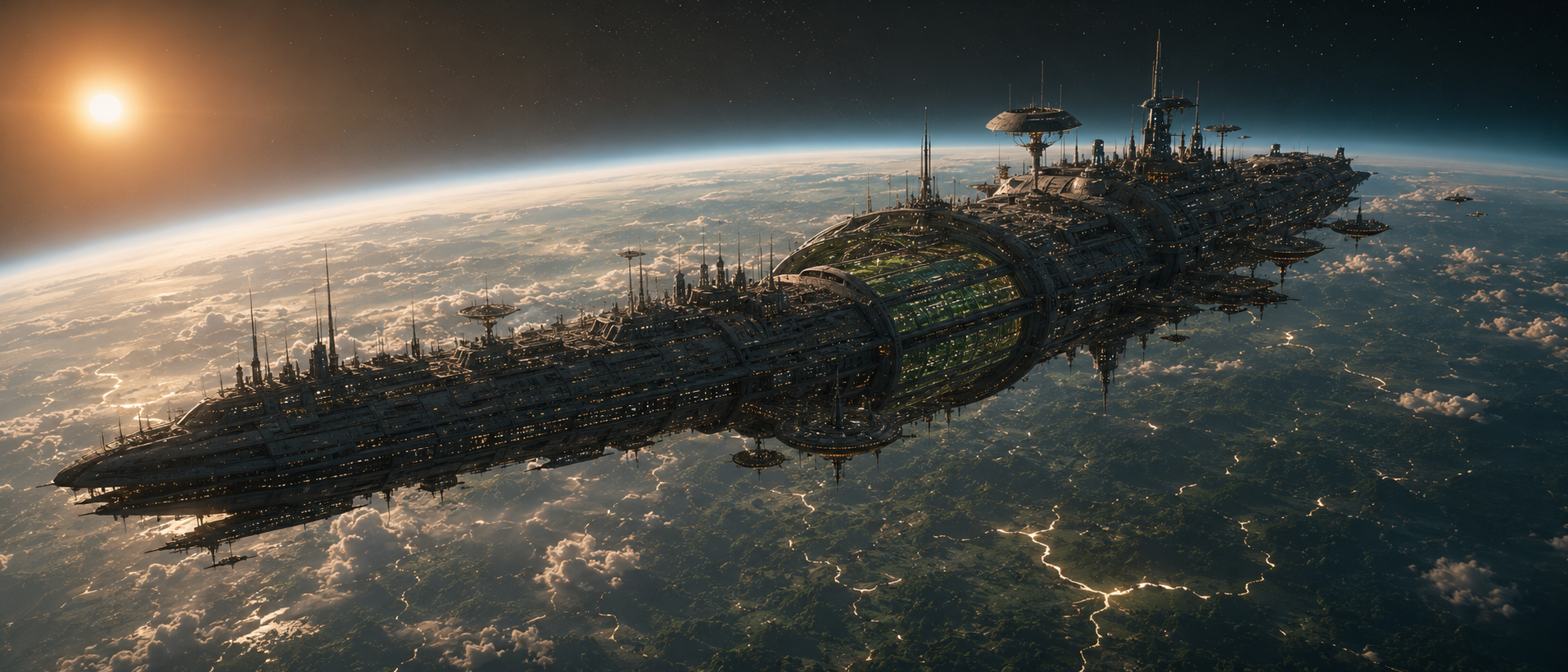
Blue Revere chronicles an alternate future history of humanity from the mid-20th century to the 26th century. Society was revolutionized by atomic energy and later by interstellar "jump drives," allowing for the colonization of the solar system and beyond. Planets like Mars, Venus, Luna, and Saturn have developed into distinct interstellar superpowers with specialized industries (robotics, bio-engineering, finance etc.). Advanced robotics are integral to daily life.
What Makes Blue Revere Different?
- A World Without the Internet: A catastrophic Red Horizon Conflict in the past, caused by a globally interconnected "HyperNet" and rogue AIs, led humanity to deliberately abandon a unified internet. Information is now stored in centralized databases and shared through localized networks or physical "datapackets" transported by courier ships, creating cultural and technological divergence between worlds.
- Defined Planetary Identities: The planets of the Sol System have evolved into unique, specialized societies with their own governments, cultures, and economic roles (e.g., Jupiter as the shipbuilding capital, Mars as a militarized synthetic society, Saturn as the financial hub).
- Grounded Space Travel Logistics: Despite having jump drives, the setting emphasizes the practical limitations of interstellar travel, such as fuel scarcity and the need for established "jump lanes," making space feel vast and travel a deliberate, strategic endeavor.
Empyrea
Supernatural Fiction Setting
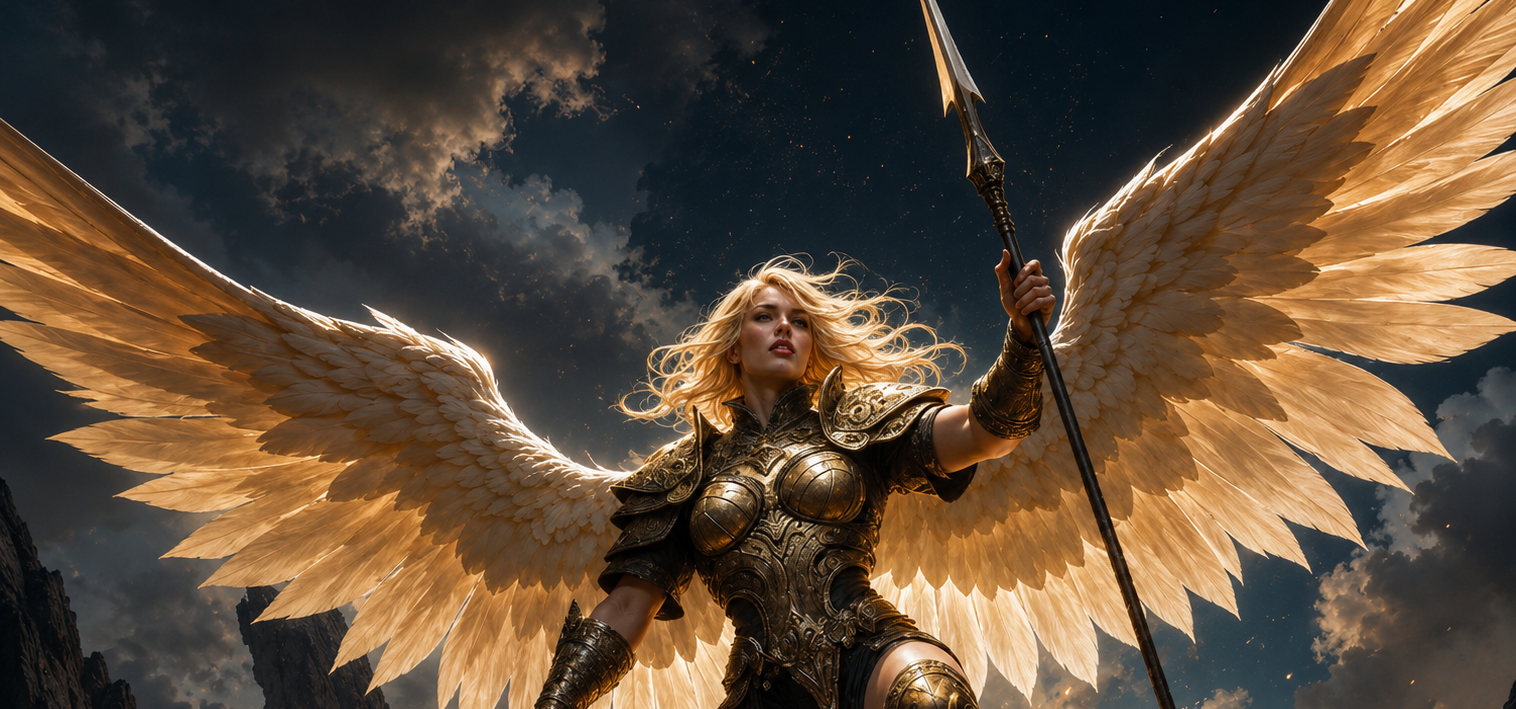
Empyrea is a cosmic realm of divine order, home to various angelic races (like the mechanical Archons, lion-like Cherubim, and judicial Seraphim) who serve the "Divine Hierarchy." They strive to fulfill the "Grand Design" of their absent deity, Eo, the Lady of Light, aiming for a prophesied state of universal harmony and prosperity. They are opposed by the Asuras (Infernals), chaotic beings banished from the celestial realms millennia ago. The conflict is a cosmic struggle between order and chaos, with mortal free will acting as a crucial and unpredictable element.
What Makes Empyrea Different?
- Diverse and Philosophical Angelic Races: Instead of a monolithic group of angels, Empyrea features multiple distinct celestial races, each with its own culture, appearance, and core philosophy (e.g., logic vs. passion, strength vs. wisdom), creating complex internal dynamics.
- The Celestial Mechanism: The universe is framed as an intricate, almost clockwork-like system that orchestrates balance, causality, and destiny. This gives a structured, systematic feel to its divine magic.
- The Absent God: The supreme deity, Eo, is not an active character but an absent architect whose grand plan is left to be interpreted and executed by her followers, leading to doubt, faith, and conflict.