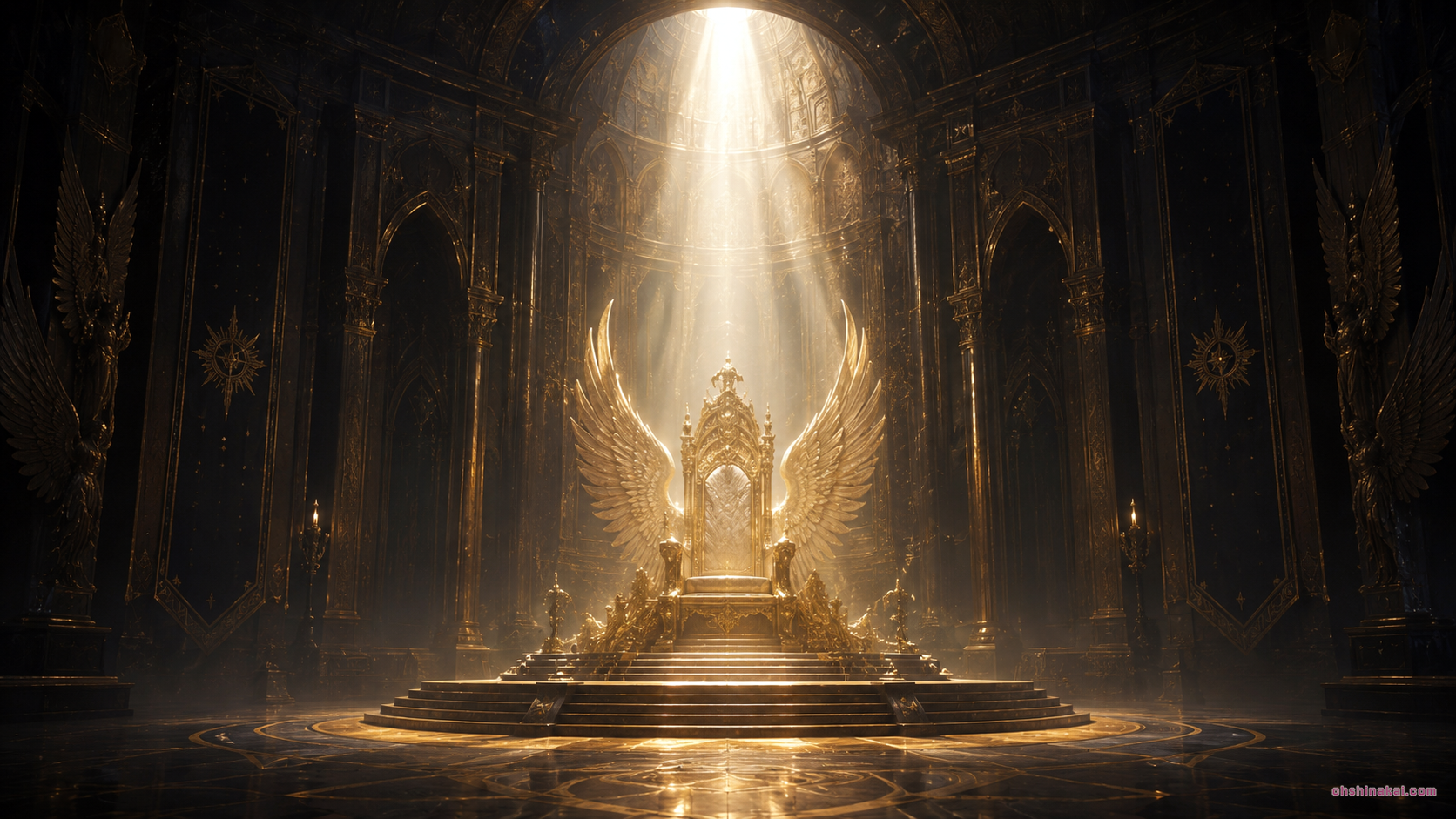
The Lady of Light: Mortal, Myth, or Something Else?


No figure in the Empyrea cosmology generates more argument than the one who supposedly runs it. Eo, the Lady of Light, the Supreme Being, the ruler of the Divine Hierarchy, is at once the most powerful entity in the setting and the one about whom almost nothing is certain. Whether she was once human, whether she still exists, and what she actually wants are questions the celestials of Empyrea have been debating for millennia. They have not resolved any of them.
The Competing Myths
There are at least three major accounts of Eo's origins, and none are considered authoritative even within the world's own mythology. In the first and most common version, Eo is the true and omnipotent Supreme Being, composed purely of spirit, who has always existed. She is so far beyond mortal comprehension that not even the Seraphim, the celestials closest to her principles, fully understand her intentions. This version paints her as essentially unknowable: a force as much as a person.
In the second account, she was a human girl born to poverty who acquired wealth but discovered it hollow. This is the version favored by traditions with a more personal relationship to the divine: the ones that want their god to have felt something. To have chosen transcendence rather than simply always having possessed it.
The third account, and the most narratively rich, tells of a woman named Eoindra who endured centuries of hardship with unwavering devotion to the welfare of all people. Through a thousand years of cultivation: virtuous living, selfless action, spiritual discipline, she underwent a profound transformation, becoming pure light itself. In this version, Eo did not begin as divine. She became divine. And then she rose to heaven and found it in chaos.
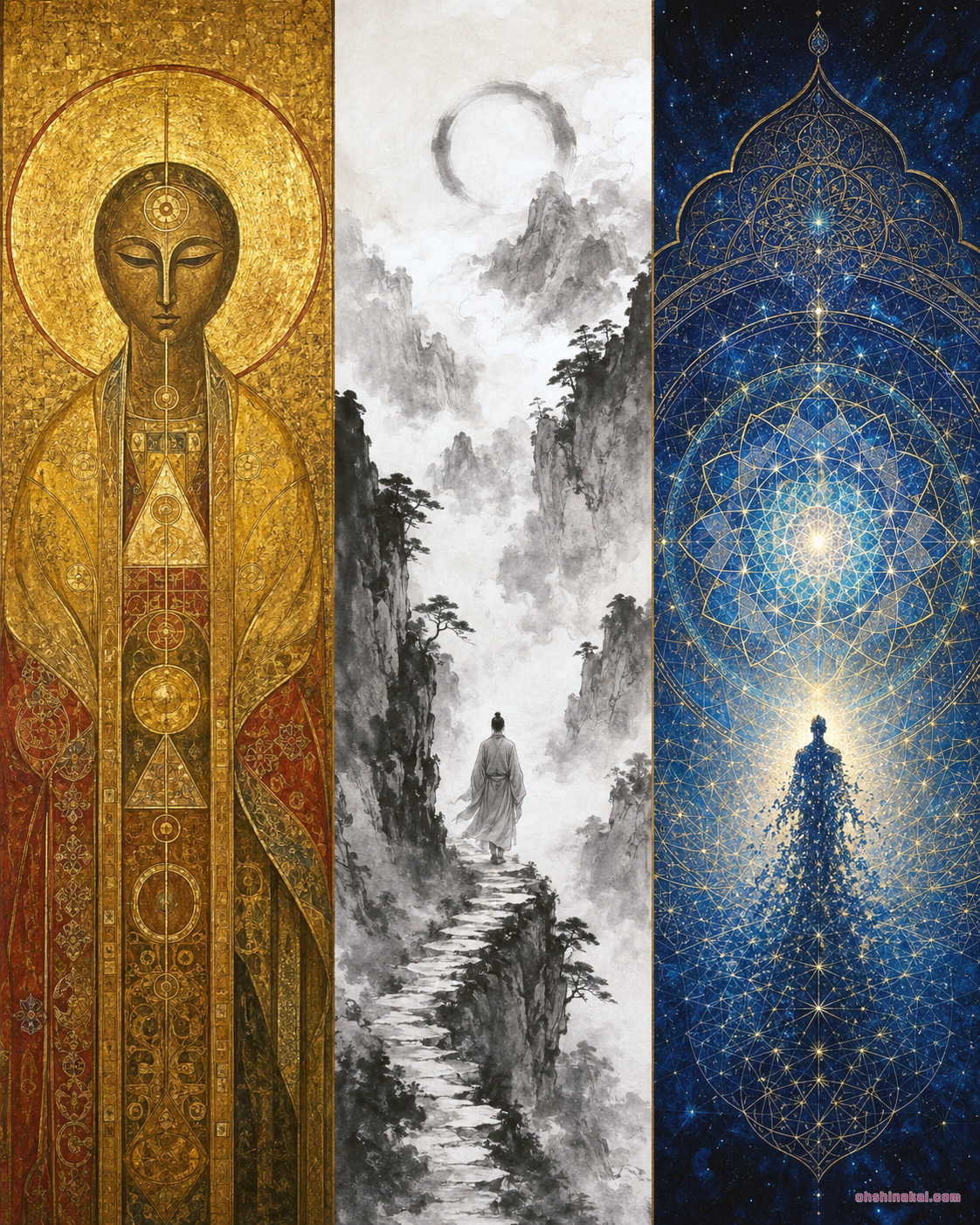
What She Built
Regardless of how she arrived, what Eo did upon reaching the celestial realms is described consistently across every account: she found them in chaos and imposed order. The three major angelic factions: the Seraphim, the Archons, and the Zabaniyah, had been locked in a war called the Aeon of Ignorance for eons, each fighting for control of Empyrea under competing visions of what heaven should be. It was Eo who convened the council, brokered the peace, and established the Divine Hierarchy: a governing structure modeled on the earthly imperial courts of her homeland.
This detail matters more than it might first appear. The Divine Hierarchy isn't a purely celestial invention. It is a mortal political model elevated to divine law. It has courts, tiers of authority, a mandate of legitimacy, and even a corollary right of rebellion for those who believe their ruler has become unworthy. Eo built heaven the way she understood government: as something earned, organized, and capable of being challenged. For the Zabaniyah, who believe only the strongest should rule, this framing was always a provocation waiting to become a rebellion.
The Disappearance
Eo no longer sits her throne. Sometime after uniting the celestial factions, she retreated into an innermost sanctum: a forbidden refuge guarded by her most trusted servants, and has not been publicly seen since. The celestials are left to manage Empyrea in her absence, and they do so with varying degrees of competence and sincerity.
Two dominant theories fill the void she left. The first holds that she is meditating, preparing for the Final Struggle: a prophesied apocalyptic conflict between the Sisters of Light and the Sisters of Darkness, and will emerge stronger than before. This is the position of the Seraphim, who manage their grief at her absence by channeling it into vigilant stewardship of everything she built. The second theory suggests she shed her celestial form and returned to the mortal world, walking among humans again, guiding them from within rather than above. This version is popular among those who want their god accessible, close, present.
Neither faction has proof. Both have absolute conviction.
Why Ambiguity Is the Right Choice
In worldbuilding terms, a god who is absent and contested is worth ten times more than one who appears and speaks clearly. Eo's ambiguity allows every celestial race and every mortal faction to interpret her will in ways that serve their own philosophy, and then to clash over those interpretations with genuine sincerity. The Zabaniyah use Heaven's Command as a theological framework for their rebellion. The Seraphim use the Divine Law as grounds for opposing that rebellion. Both genuinely believe they are acting in accordance with Eo's wishes. Both are wrong, and both are also possibly right.
What makes Eo compelling is not her power but her absence, and what that absence reveals about the people who remain.