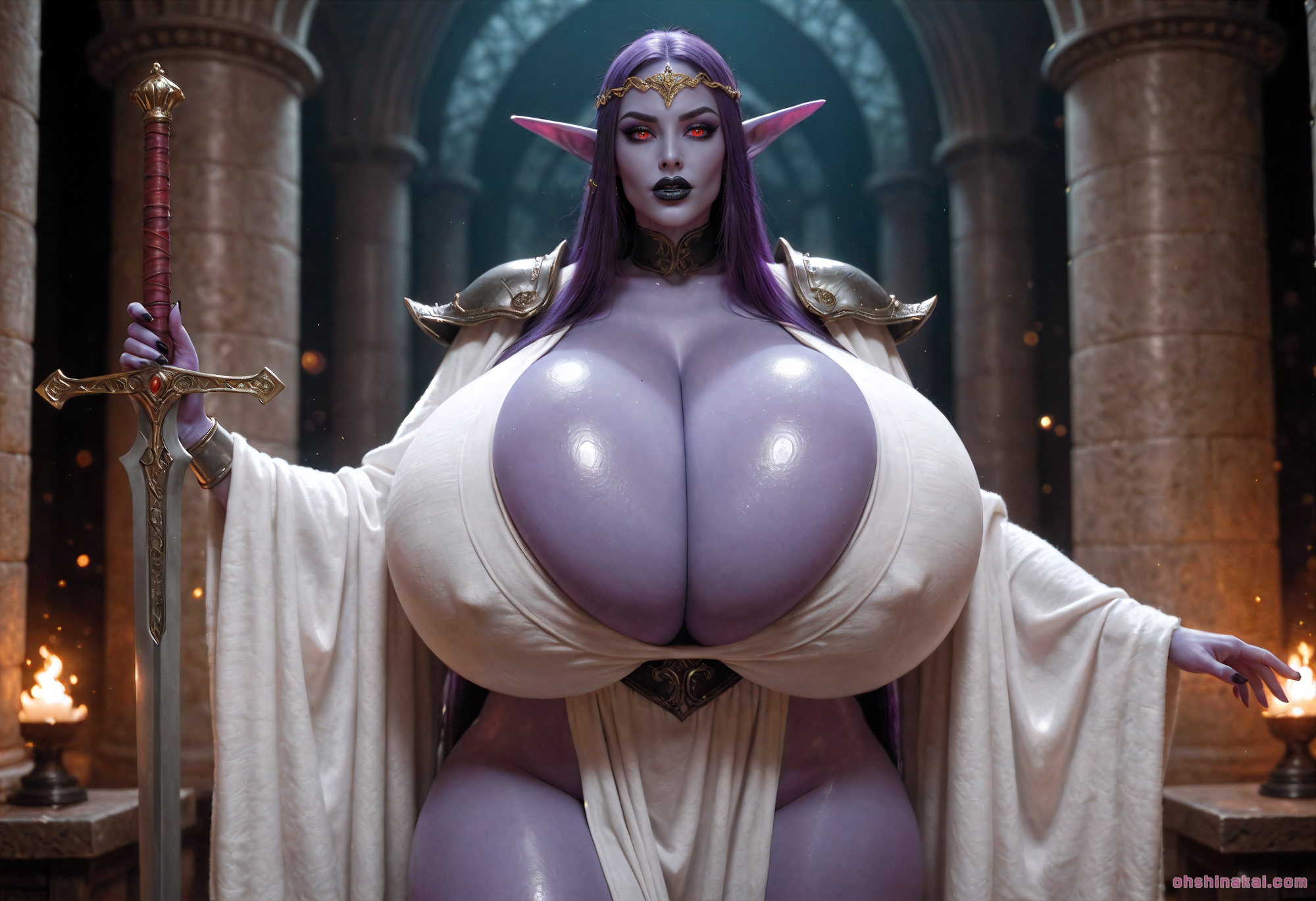
Dark Elves: Children of the Deep Earth


"We do not pray to the sky. The sky forgot us long ago. We pray to the stone beneath our feet, because the stone remembers everyone who has ever bled into it."
– A Dark Elf miner, overheard in the deep tunnels beneath Glimmermoor
The Ones Who Stayed
Somewhere beneath the tangled roots and shimmering canopy of Glimmermoor, far below the goblin warrens and the thorn-choked courts of the Faerie Lords, the tunnels grow quiet. The air tastes of iron and wet stone. Bioluminescent fungi cling to the ceiling in pale clusters, casting just enough light to see by, and just little enough to remind you that this is not a place built for surface-dwelling eyes. This is where the Dark Elves live. Not because they chose it. Because they were made for it.
The Dark Elves of Glimmermoor are among the most misunderstood peoples of Mystaria, spoken of in half-truths and borrowed fears by those who have never set foot beneath the earth's skin. Surface-dwellers who hear the name tend to picture villains: scheming, cruel, lurking in the dark with poison and ambition. The reality is both simpler and far more painful than that.
To understand the Dark Elves, you must first understand what they are, and what they are not. They are not kin to the Sky Elves. They are not a fallen branch of an older, nobler people. The Dark Elves were created by the Goblin Queen Arduinnae, bred from goblins and humans through ancient Faerie magick. The pointed ears they share with goblins are not a coincidence. The red eyes that gleam in tunnel-light are goblin inheritance as well. They are, at their root, a goblin hybrid race, and Arduinnae is their maker.
The timing of their creation is no accident either. The Dark Elves appeared shortly after the Sky Elves departed Glimmermoor (or were driven out, depending on who tells the story). Whether Arduinnae made them out of spite, jealousy, or cold strategic calculation, the result was the same: a new people, tall, graceful, uniquely able to forge and wield untreated iron and silver without harm. Everything the Sky Elves had been, the Dark Elves were built to replace. And everything the Sky Elves had refused to be, the Dark Elves were made to accept.
That origin defines their entire culture. They are not merely subjects of the Goblin Queen. They are her creations, built to serve Glimmermoor's needs, and their entire history is the slow, painful process of becoming something more than what they were made to be.
A People Shaped by Stone
Dark Elves bear the unmistakable mark of their dual lineage. Their skin runs in shades of deep purple, sometimes so dark it borders on indigo in the dim light of the tunnels, sometimes catching an almost violet warmth where crystal-light hits at the right angle. Their hair tends toward black or deep plum, worn long when circumstances allow, though miners and soldiers often tie it back or braid it close against the scalp to keep it from catching on rock faces and low ceilings. Their eyes, that goblin inheritance, are among their most striking features: piercing reds, burning ambers, and, more rarely, a pale silver that the surface folk sometimes mistake for blindness. They are not blind. They see better in the dark than most races see in daylight.
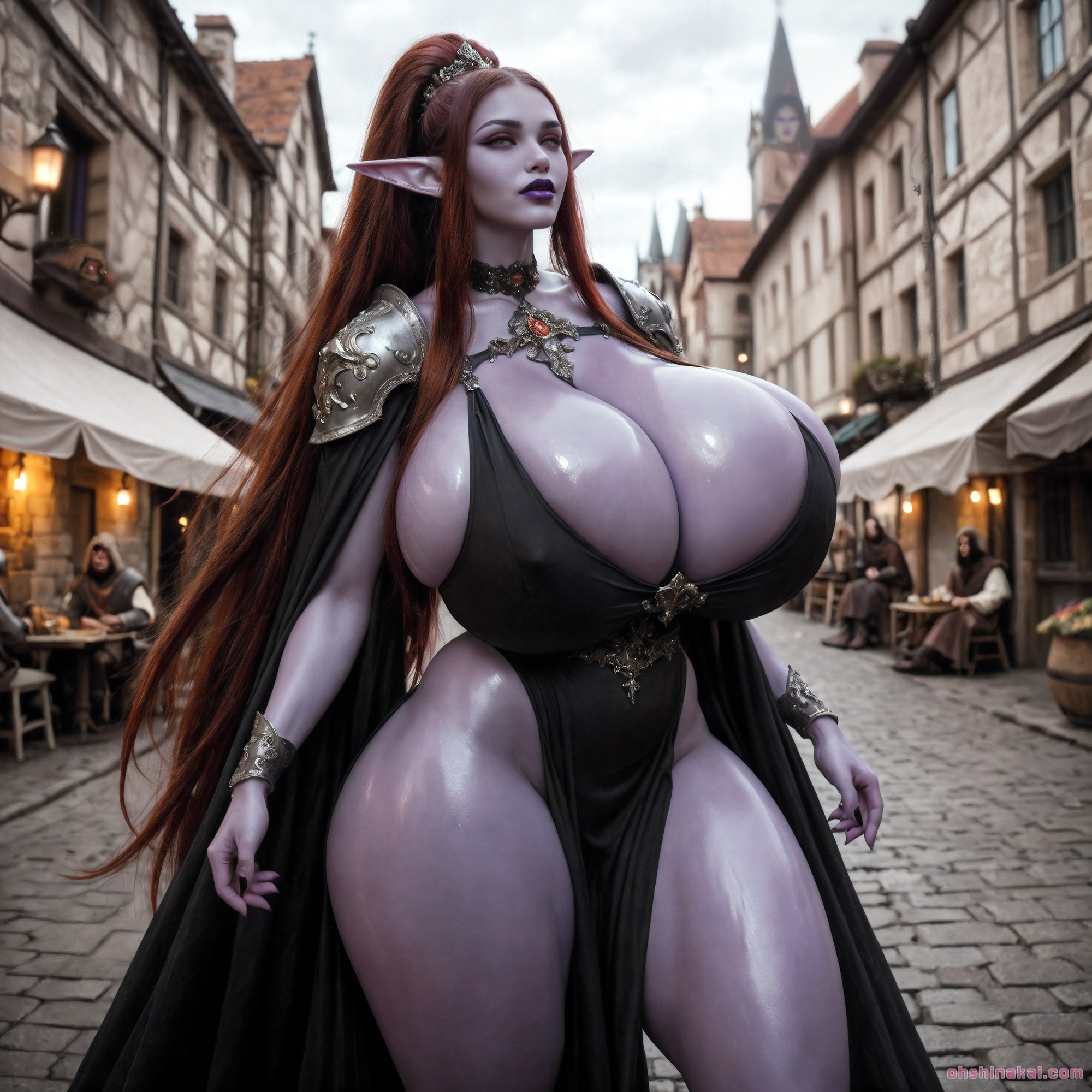
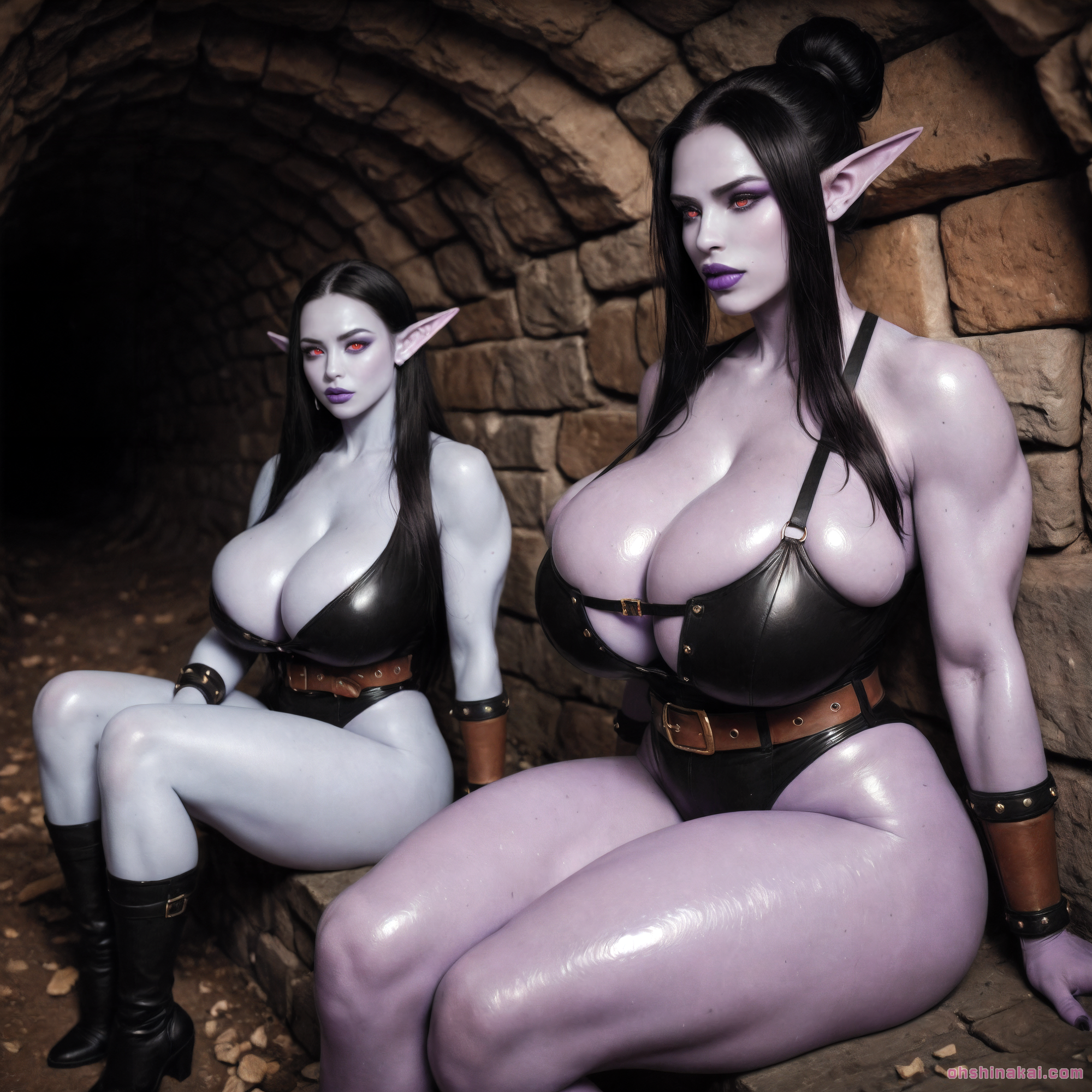
Physically, the Dark Elves are built for the work their world demands. Generations of deep mining, climbing, and hauling through tight subterranean spaces have produced a people who are lean and densely muscled, with a wiry endurance that outlasts most larger races. They share the pointed ears of their goblin ancestors, though theirs tend to be longer and more tapered, a marker of the human bloodline that refined them. Unlike most fae and goblinkin, Dark Elves can forge and wield untreated iron and silver without suffering harm. This immunity was built into them by Arduinnae deliberately, making them invaluable as miners, smiths, and weapons-crafters. It is also, with cruel irony, one of the qualities that has kept them indispensable to a regime they increasingly wish to escape.
Made to Replace, Built to Endure
The relationship between the Dark Elves and their creator is the central wound of their culture. Arduinnae made them. She gave them purpose, form, and a place in Glimmermoor's order. And she made them in the immediate aftermath of the Sky Elves' departure, filling the void left by a people who had refused her authority.
The Sky Elves, led by the Faerie Lord Lady Elvinia, had been a powerful and independent presence within Glimmermoor. Their flight (or exile, depending on who tells the story) left Arduinnae without a crucial segment of her realm's workforce and a painful reminder that not everyone would bend to her will. The Dark Elves were her answer: a people who would possess the grace, intelligence, and craftsmanship of the Sky Elves, but who would owe their very existence to the Empress of Autumn. They would be loyal because they had no alternative. They would serve because they were made to serve.
For generations, that was enough. Dark Elves worked the mines, forged the metals, and built the infrastructure that sustained Glimmermoor's power. But Arduinnae had given them human adaptability and goblin cunning, and those qualities, over time, produced something she may not have anticipated: a people capable of wanting something for themselves.
Faith in the Dark
The spiritual life of the Dark Elves is defined by a devotion that would earn them death if it were discovered: the secret worship of Lady Elvinia, the exiled leader of the Sky Elves, whom the Dark Elves revere as the Weeping Goddess.
This faith is shared only by the Dark Elves and the Sky Elves themselves. No mortal race on the surface of Mystaria knows who Elvinia is. She has no temples in human cities, no mention in Verdanian theology, no entry in the great libraries of Celestaria or the chronicles of Sadoros. To the mortal world, she simply does not exist. Her deification is an entirely elven affair, a quiet, hidden reverence passed between two peoples who have never met face to face but who share, in their different ways, the memory of what Glimmermoor cost them.
This is remarkable for several reasons, not least because Lady Elvinia is not a goddess. She is a Faerie Lord, immensely powerful and long-lived, but mortal in nature, no different in kind from Queen Arduinnae herself or King Orion of the Wild. The Dark Elves know this, or at least their scholars and elders do. It does not matter. What Elvinia represents to them is more important than what she technically is. She is the proof that Arduinnae's authority can be refused. She is the leader who looked at the Goblin Queen's regime and chose exile over submission. For a people who were made to submit, that example carries the weight of revelation.
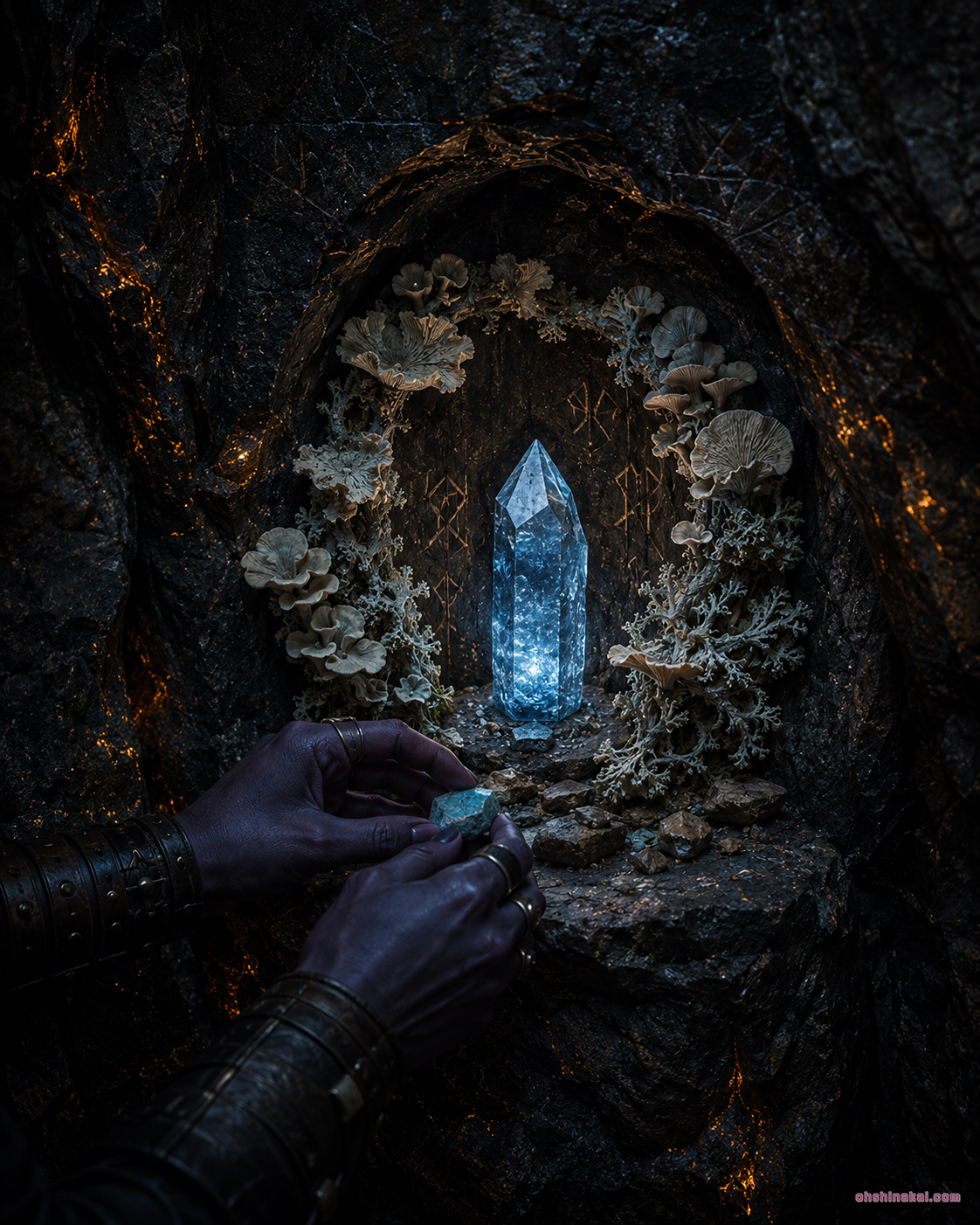
The worship itself is hidden out of necessity. There are no grand shrines to Elvinia in the tunnels. To build one would invite the wrath of Arduinnae's enforcers, who tolerate no spiritual authority that does not flow from the Goblin Queen herself. Instead, the faith lives in whispered prayers sent on the breath before a dangerous descent, in small tokens of sky-coloured stone tucked into the crevices of tunnel walls, and in the stories parents tell their children about a queen who wept not from weakness but from love. A queen whose tears, they say, fall as rain on the surface world to nourish the secret rebellions of those still trapped below.
What makes this faith so significant is what it reveals about the Dark Elves as a people. They were made by Arduinnae. They worship Elvinia. They have chosen, deliberately, to give their devotion to a Faerie Lord who is not their maker, who never asked to be deified, and who may not even be able to live up to what they have made of her. It is the most radical possible act of self-determination: a made people choosing their own god.
The Rite of the Iron Heart
The most sacred ritual in Dark Elf culture is the Rite of the Iron Heart, overseen by Lord Rauwynn, the Iron-Hearted Patron of the Deeps. The Rite is performed in the deepest reaches of the earth, in places where the heat of the world's core can be felt through the soles of one's boots and the stone itself seems to hum with a slow, planetary pulse. There, Dark Elves swear oaths of loyalty to their kin and their shared future, and in doing so, they explicitly reject the authority of the Faerie Courts above. Every oath taken in the Rite is an act of quiet treason against Arduinnae's regime.
Rauwynn himself is perhaps the most enigmatic figure in Dark Elf society. He is claimed to be the son of Lady Elvinia and an unnamed Dark Elf father, a lineage that grants him the political influence of a full Faerie Lord. His mastery of the Titan Thread gives him an almost spiritual bond with stone and metal, while the Draconic Thread, said to be inherited from his Sky Elf mother, grants him a disciplined, ordered command that the chaos of Glimmermoor's other rulers cannot easily disrupt.
But his claimed parentage raises a question that Dark Elf scholars prefer not to answer aloud. The Dark Elves were created after the Sky Elves departed Glimmermoor. Lady Elvinia has lived in exile ever since, ruling from the fortress-realm of Miramira in the Sylvanoran Mountains. If no Dark Elf existed before Elvinia's exile, then how could Elvinia have taken a Dark Elf as a partner?
Some among the Dark Elves suggest that Rauwynn's father was not truly a Dark Elf at all, but something older, perhaps one of the goblin or human subjects from whom the Dark Elves were forged. Others whisper that Elvinia returned to Glimmermoor in secret, crossing the veil between worlds at great personal risk. A smaller, more radical tradition holds that Rauwynn's parentage is a sacred fiction, a story the Dark Elves tell themselves because they need a figure who bridges both halves of their broken world, and that his true origins are something else entirely.
Rauwynn himself has never addressed the contradiction. He rules as Lord of Mining, the position that places him at the centre of Dark Elf economic life, and has used it to build a power base rooted not in Faerie politics but in the material strength of the earth itself. He is allied with Lady Elvinia and shares her disdain for King Orion's cruelty, but he keeps a careful distance from the Sky Elves' celestial focus. Where Elvinia mourns what was lost, Rauwynn builds with what remains.
Whether he is truly her son, or something more complicated, the result is the same: the Dark Elves follow him because he embodies the possibility that their people can be more than what Arduinnae made them to be.
Between the Anvil and the Crown
Daily life for the Dark Elves is defined by the tension between two forces: the crushing weight of Faerie Court authority above, and the slow, patient work of self-determination below.
Most Dark Elves are miners, tunnel-builders, or artisans whose craft serves the needs of Glimmermoor's ruling powers. Their quotas are strict. Their conditions are dangerous: cave-ins, hostile subterranean creatures, and the ambient corruption of ancient curses are constant hazards. The deepest veins, where the rarest crystals and metals are found, carry the highest mortality rates. Dark Elf miners invoke Rauwynn's name before entering these tunnels the way a sailor might invoke a sea-god before a storm: not with certainty of salvation, but with the hope that someone is watching.
And yet, beneath the surface of this grinding labour, a second economy thrives. Dark Elf smiths produce some of the finest forged metalwork in Glimmermoor: enchanted tools, weapons of dark-forged iron, and delicate crystalline instruments that the Faerie Courts prize but would never credit to their makers. Some of this craft is skimmed, quietly, for the cause. Weapons cached in sealed tunnels. Tools smuggled to Sky Elf agents. Information passed to Dilwenne's raiding parties, who strike at goblin outposts and mining operations to free enslaved kin and sow chaos among Lord Orion's logistical networks.
Dilwenne herself, the Blade of the Silent Queen, is a full-blooded Dark Elf and Lady Elvinia's most fervent operative. A warrior-priestess of terrifying speed and conviction, she leads small strike teams across the permeable veil between Glimmermoor and Mystaria, channelling the Faerie Thread of the Sky Elves into bursts of radiant light and protective wards. Her presence on the surface is almost always a prelude to violence. Among the Dark Elves, she is a folk hero. Among the goblins, she is a nightmare in white.